

Friday
Phildar & Bergére de France Knitting Patterns For Superba, Singer, White & Phildar Knitting Machines

Greetings!

PHILDAR®
Phildar® is a French textile company with 620+ clothing and yarn stores throughout France and Belgium. 
In North America, we know Phildar for their hand knitting yarns, sold through independent yarn retailers or online at www.phildar.com.


SUPERBA & PHILDAR
SUPERBA® and Phildar® had a long and successful business association, with the Phildar company retailing home knitting machines made by SUPERBA, using the Phildar brand name and sold throughout the network of free standing Phildar Boutiques in France and Belgium.
Phildar Machine à Tricoter Modèles

Phildar Hobby Models: Big Phil + Quick Phil
Phildar brand knitting machines produced by SUPERBA included two plastic bed Hobby Knitting Machines which were light weight and very portable. Hobby Models included . . .
The Phildar 9mm "Big Phil" :
 |
| Phildar Big Phil 9mm Hobby Knitting Machine Carriage |
The Big Phil hobby knitter was a plastic bed hobby knitting machine with latch hook needles spaced 9mm apart. One of Phildar's most popular models as it was very simple to operate and accommodated their Double Knitting, Worsted, Aran and Chunky weights of hand knitting yarns featured in their publications and catalogues.
 |
| Phildar Big Phil in Pink! |
 |
Phildar Big Phil 9mm Hobby Knitting Machine.
|
Tip: When reading through Phildar magazines, including current issues, you will see a reference to the "Big Phil" name at the top of the page next to the design name. The combination of Knitting Needles and the "Big Phil" symbols means that the particular design has instructions written for both hand knitting and the 9mm Big Phil knitting machines.

Phildar 5mm Quick Phil:

Phildar also sold a finer Gauge 5mm Hobby Machine known as the Quick Phil, which used finer latch hook needles spaced 5mm apart. This model of machine was intended for finer weights of hand knitting yarn like 3 Ply & 4 Ply Fingering Yarn and what is known in North America as Sport Weight, up to a Double Knitting or DK Weight of hand knitting yarn.

Phildar Electronic Models: D110 D115 D120
Phildar also sold three Electronic Double Bed Knitting Machines models, all 5mm Gauge machines and quite capable of knitting hand knitting yarns up to a DK or Double Knitting Weight.
Phildar Electronic Models included . . .
The Phildar D110: featuring a Peg-Board style Electronic Selection Box for automatic needle selection of stitch designs.


The Phildar D115: This model features a Pressure Pad Selection Box permanently fixed to the right end of the machine.

This gem of a knitting machine allows you to draw your stitch pattern on plain paper, then input the stitch design into the Progammer and the knitting machine will select the needles to knit.


This is my favourite model of knitting machine to knit on! I have this model - mine is labelled WHITE brand but is exactly the same in every respect to the Phildar version.
Easy to operate and program stitch designs and most important to me is that this machine handles the widest range of yarns, especially hand knitting yarns - outstanding!


The Phildar D120 Memomatic:

This was Phildar's version of the popular Light Scanning Selection Box model that used Mylar Design Sheets for the creation of Geometric and large, all-over Decorative stitch patterns.

The Selection Box attached to the lower right end of the machine and used three methods to create stitches.
A-Card or Automatic Stitches were built into the Selection Box by simply setting the switches on the front of the box. These were very basic 1x1 stitches, every other needle was selected in various combinations to create simple, but pretty stitch patterns.
Mylar Design Sheets with pre-printed stitch patterns as well as basicautomatic

Stitch patterns came printed on Mylar Sheets, which were inserted in a protective cover and fed into the Selection Box where light scanners would read designs, row by row, and select the needles on the Main Bed according to the pattern.


SUPERBA benefited as many of the hand knitting patterns designed and published in the Phildar Knitting Magazines featured - and still feature! - instructions on how to create these designs on your home knitting machine, with machine setting information like Stitch Size and Bed Space specific to our models of Superba, White, Singer and Phildar!
Phildar also produced 5mm Gauge Hobby Models known as the

You still see the Phildar brand knitting machine for sale from time to time on ebay and there are currently a few Phildar models for sale on ebay France.

While primarily a hand knitting magazine, Phildar did include some patterns with machine knitting instructions OR atleast had a symbol indicating that the garment was possible to complete by machine using either the 5mm 0r 9mm gauge models.
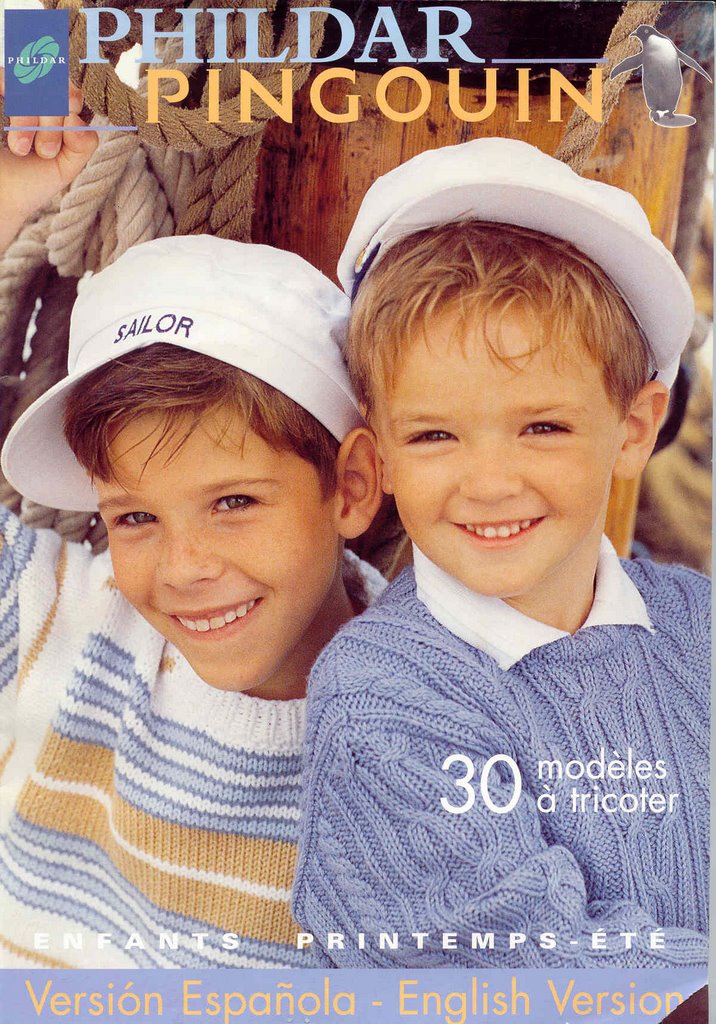
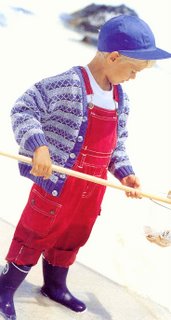
Phildar features beautiful photographs and very straight forward instructions. Older issues may be in French only as they were sold with english translations inserted. Later they began to publish in English and Spanish.

Each pattern has clear information regarding gauge, original yarn information (you can google the names of their yarns to see if you can find yardage information), garment sizes and stitches used.
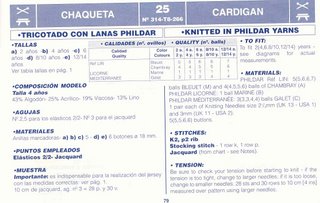 In the picture above you will note the knitting machine symbol in the blue border on the upper right corner. It is just below the knitting needles. This is indicates this pattern is suitable for both hand and machine knitting. If it is for the 9mm bulky it will usually say "Big Phil".
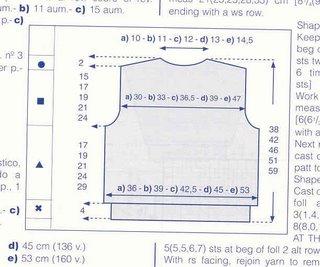
All their patterns include a schematic with measurements which helps in determining sizes and especially for those of you with a Forma Charting Accessory, you can translate this schematic information to your half-scale patterns and easily knit these models.

The last schematic shows the stitch pattern information which is provided in chart form for hand knitters on the left and Voila! - as a Programming Grid for Superba knitting machines on the right.
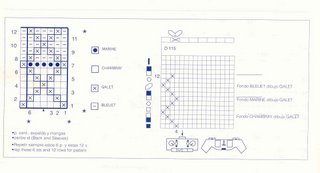
Phildar always shows the programming grid for models S47, Singer Memo II, White 1502 and Phildar D115 shown below. If you have a light scanning or 9000 model, you will program according to your machine instructions.

The programming grid is shown for the Fair Isle or Jacquard stitch pattern, which has a repeat of 4 stitches by 12 rows.
I have the specific model the pattern shows the stitch pattern charted for. One draws the stitch design on paper stitch design grids.

The stitch pattern slides into the side of the Electronic Programmer . . .

You then program the electronics and after Casting-On, the machine will produce the stitch pattern for you.

As for many of the other stitches found in these magazines, several involve hand transfering including cables and textured knit and purl combinations not possible for use with the transfer carriage. The stitch charts for these are very well explained and allow you to achieve the same look as by knitting with two needles. These are time consuming from a machine knitters point of view but well worth the effort for the beautiful knit fabrics you can create.
Look for new and vintage copies of Phildar Knitting Magazine at your local yarn store and online on ebay worldwide.
Kind Regards.
Patrick.


Saturday
Fold-Up Blocking Boards For Machine Knitting, Hand Knitting and Crochet
I've been asked many times about my personal preference for Blocking Boards used to block machine knit, hand knit and crochet items. I contributed the following answer to a Ravelry group discussion about Blocking Boards and I wish to share that with you now.

Blocking Boards for Knitting & Crochet Projects
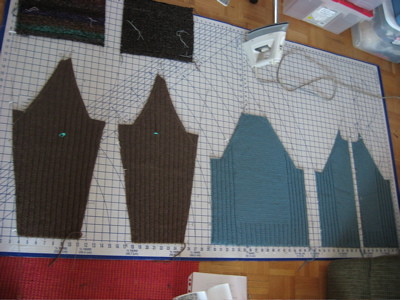
My preference for blocking Knitting and Crochet projects is to use cardboard fabric cutting boards which are made for pinning out and cutting sewing patterns. These cutting boards are available at better sewing, fabric and quilting stores.
 |
 |
 |
| All images and text ©Patrick Madden/Superba Knitting™ |
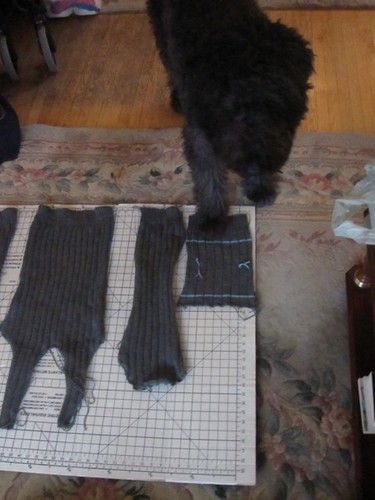
I've used these boards for decades. They are made of heavy-duty cardboard that is water resistant and have a white paper bonded to one side that is printed with colourfast measurement grids in both inches and centimetres. Opened to their full size they measure 40" wide x 72" long. Some versions are 60" long.
 |
|
 |
| All images and text ©Patrick Madden/Superba Knitting™ |
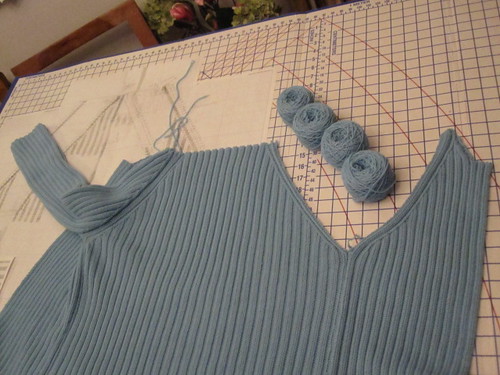
These Blocking Boards are tough as nails. Let me repeat that the printed paper that is bonded to the cardboard is colourfast and does not bleed the printed colour onto wet knits or crochet. People tend to be skeptical about this but it's true. I've blocked many a white, off white, cream, pale pink, blue and mauve items and never had any issue with colour bleeding.
 |
| All images and text ©Patrick Madden/Superba Knitting™ |
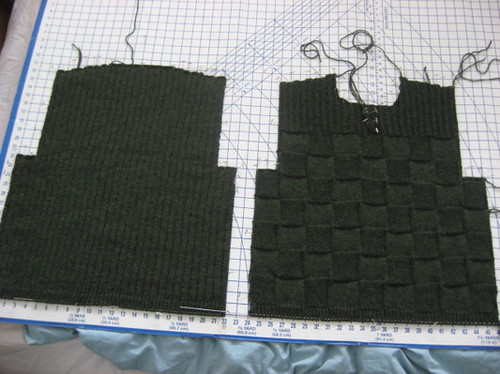
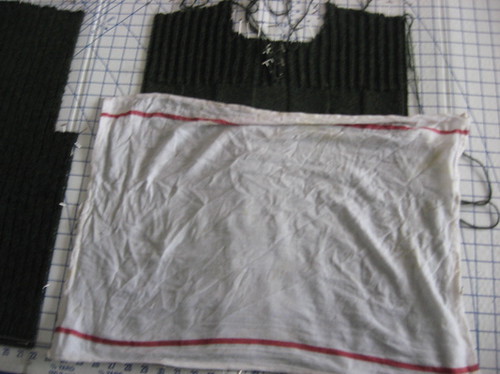
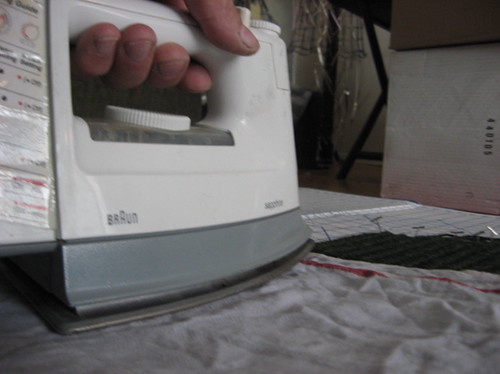
The cardboard does not get soggy so you can wet block directly onto the surface using either a Spray Bottle, or after having soaked and wrung out your project either by hand or using your washing machine spin cycle and also by steam blocking your knits using a home iron.
 |
|
 |
| All images and text ©Patrick Madden/Superba Knitting™ |
 |
| All images and text ©Patrick Madden/Superba Knitting™ |
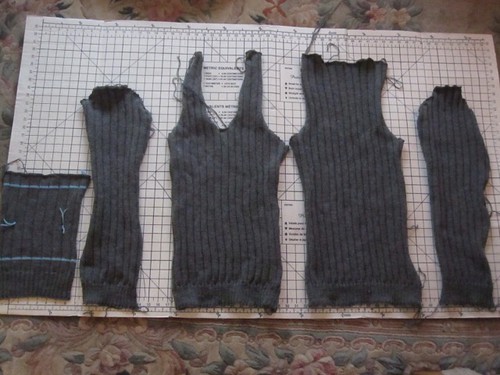
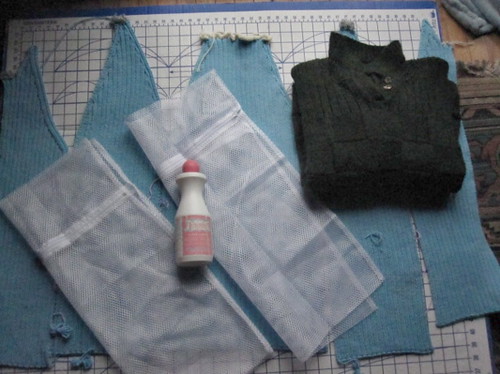
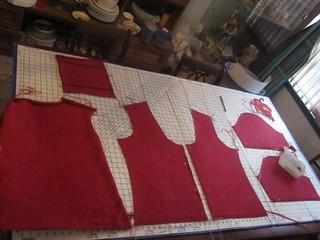
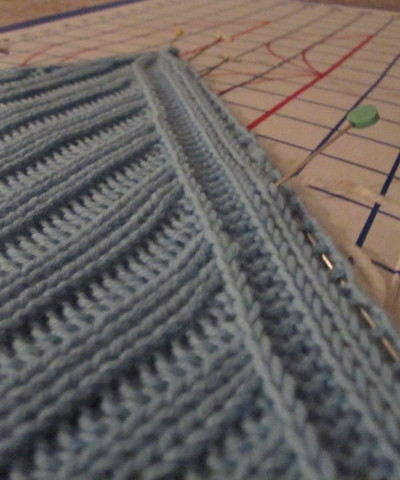
I use these for all stages of knitwear production; blocking Gauge Swatches, piece blocking of knitting and crochet projects, and for the regular washing and drying of completed garments.
 |
| All images and text ©Patrick Madden/Superba Knitting™ |
 |
| All images and text ©Patrick Madden/Superba Knitting™ |
 |
| All images and text ©Patrick Madden/Superba Knitting™ |

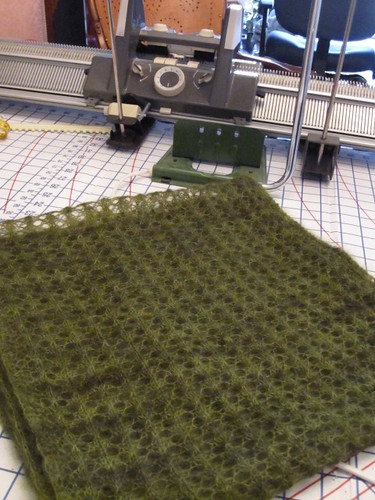
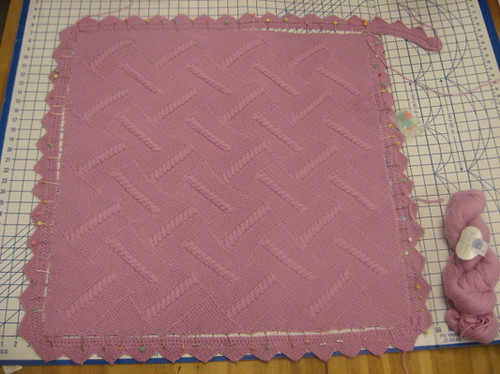
As Blocking is crucial to the finishing of knitting and crochet, these boards allow for all shapes and sizes of your hand work to be blocked. I have multiples of these boards on hand so I can block a single item or group them together to accomodate much larger pieces like blankets and shawls.
 |
| All images and text ©Patrick Madden/Superba Knitting™ |
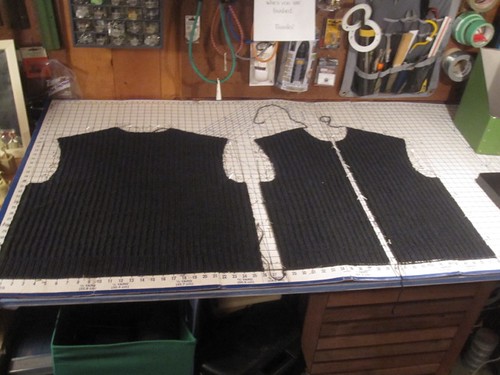
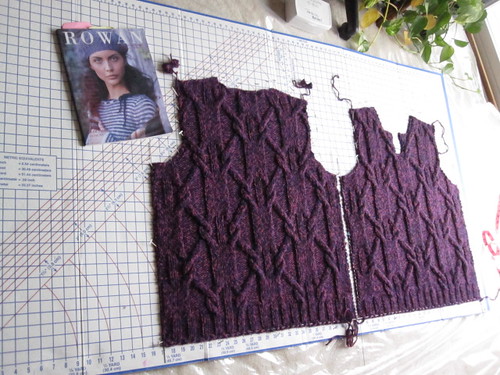
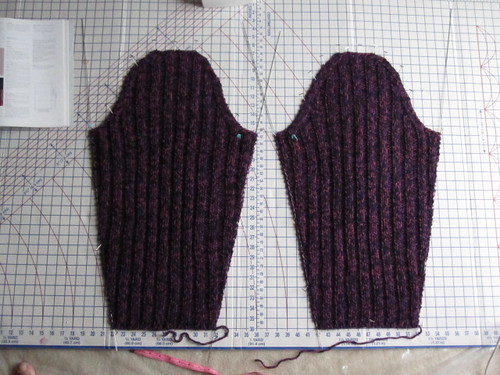
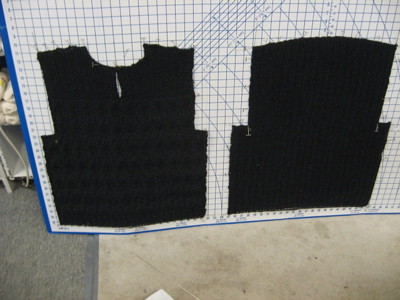
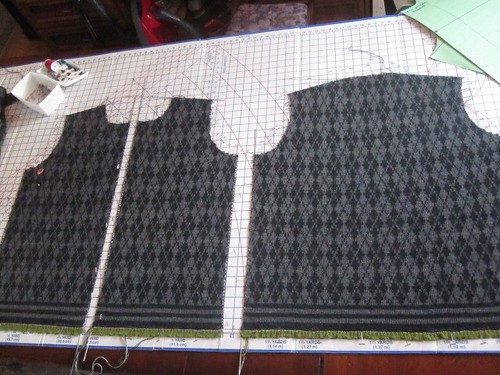
I am a tall man, 6'3" in height and I need more than one board to block a sweater my size, a minimum of two of these Blocking Boards to block personal projects and the boards are inexpensive, so I recommend you purchase two. Best to be prepared. The boards are large enough to accommodate a pullover Front and Back section, so I block those together on one board.
 |
 | |
|
 |
| All images and text ©Patrick Madden/Superba Knitting™ |
 |
| All images and text ©Patrick Madden/Superba Knitting™ |
 |
| All images and text ©Patrick Madden/Superba Knitting™ |
You do need a fairly firm surface underneath. One can lay a board on a bed and block that way but I find a mattress to still have too much movement for my liking during the pinning stage. I prefer my height-adjustable blocking table, our dining table or the living room floor. It's all about options!
 |
| All images and text ©Patrick Madden/Superba Knitting™ |
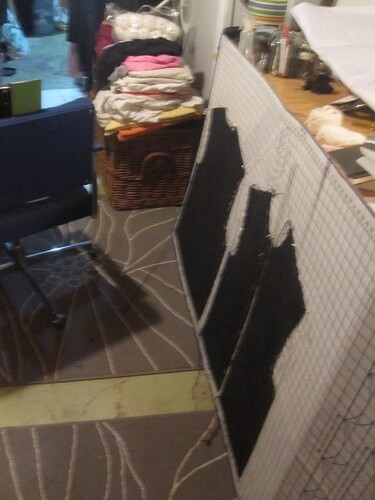
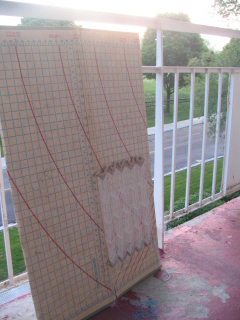
These cutting board allow you the option to dry your project with the board standing or laying on a surface. The added bonus to this is the air circulation they provide. You will find your wool and wool blends, acrylic/microfibre, silks, etc will dry very fast on their own.
 |
| All images and text ©Patrick Madden/Superba Knitting™ |
If you are working with a stubborn fabric like Cotton or Linen or a blend of these fibres, which release the moisture they've absorbed much slower, you can stand these boards outside on your deck or balcony or place one next to (but never over) a heating vent or in the same room as your home furnace. Having a household fan circulating air also helps to speed up the drying time. This is especially true in countries which have a Winter season.
 |
| All images and text ©Patrick Madden/Superba Knitting™ |
 |
|
 |
| All images and text ©Patrick Madden/Superba Knitting™ |
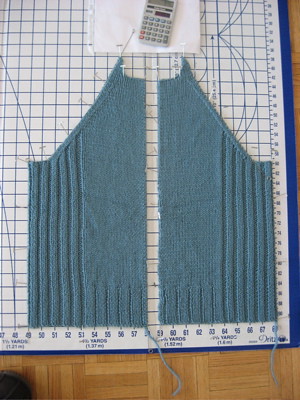
The measurement scales printed along the horizontal and vertical are in Inches and Centimetres. These, together with the grids and lines, make for fast and easy blocking and pairing of sections, IE blocking the Front and Back or two Sleeves, as you can block one piece and then quickly block it's pair next to it using the grids for reference.
 |
| All images and text ©Patrick Madden/Superba Knitting™ |
The grid markings will also help you identify visually if you have made a mistake in your knitting, IE you have knit one Cardigan front section longer than the opposite side. You may be upset to discover this mistake but this allows you to rip back and reknit this piece before you block and seam.
 |
| All images and text ©Patrick Madden/Superba Knitting™ |
 |
| All images and text ©Patrick Madden/Superba Knitting™ |
 |
| All images and text ©Patrick Madden/Superba Knitting™ |
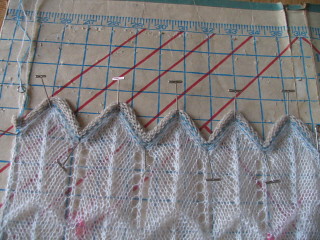
Below you can see one of my oldest cardboard cutting boards. This has to be at least 25 years old. I should retire it but some days I will block multiple items as was the case on this day the photo was taken and it still did the job.
Note the pin holes in the cardboard. Overtime these will accumulate but they don't weaken the structure of the board and while they obviously do not self-heal, they don't interfere with the blocking process.
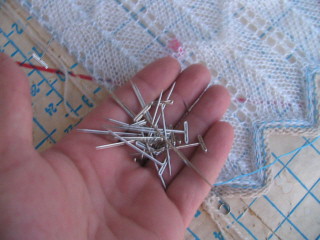
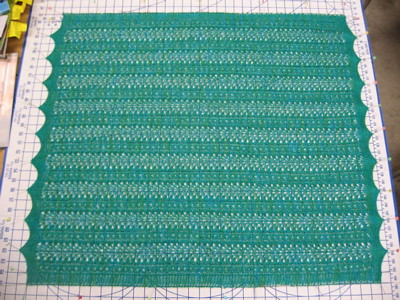
In this photo I had just pinned this hand transferred Chevron edged lace Gauge Swatch to the board and then I took the photo. What I did and what you will do during the process, and I will be demonstrating this in detail later, is using the 1"/2.5cm grid to balance out the length and width of you knitting and you can't accurately do that without a point of reference. Note that the tips of the lace Chevrons are not spaced evenly. Sometimes you have to pin, pin and repin again, adjusting the fabric both in width and length, nudging it into place to get it to be balanced. Especially with machine knits, and also very often with Lace Stitches. So this style of blocking board becomes invaluable for this reason.
 |
| All images and text ©Patrick Madden/Superba Knitting™ |
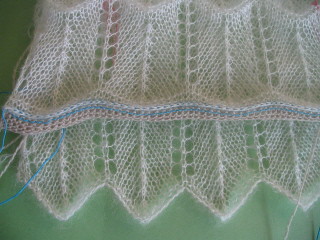
Next is the before and after photo of blocking this hand transferred lace stitch worked on my SUPERBA/WHITE 1502 double bed model knitting machine. These blocking boards made the finishing process for that project that much easier.
 |
| All images and text ©Patrick Madden/Superba Knitting™ |
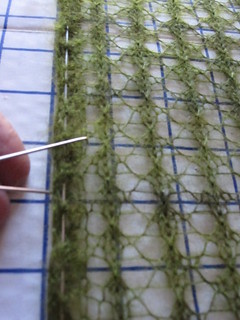
You can clearly see the "before" unblocked section on the left, and on the right is the lace fabric with blocking wires inserted and pinned to the proper width and length. Once you've stretched the fabric to the proper width and pin the blocking wires along the blocking board grid lines, then you can mist the fabric or use a steam iron to set the stitches. Voila! Fast and straightforward blocking of knits.
 |
|
 |
| All images and text ©Patrick Madden/Superba Knitting™ |
 |
| All images and text ©Patrick Madden/Superba Knitting™ |
 |
| All images and text ©Patrick Madden/Superba Knitting™ |
I hope you find the information and point of view presented in this post helpful. Kindly remember that all images and text are copyright Patrick Madden/Superba Knitting™. All rights reserved.
Take good care and happy knitting!
Patrick Madden.
"Patrick" on Ravelry.
www.superbaknitting.com
Toronto, Ontario CANADA


Subscribe to:
Posts (Atom)